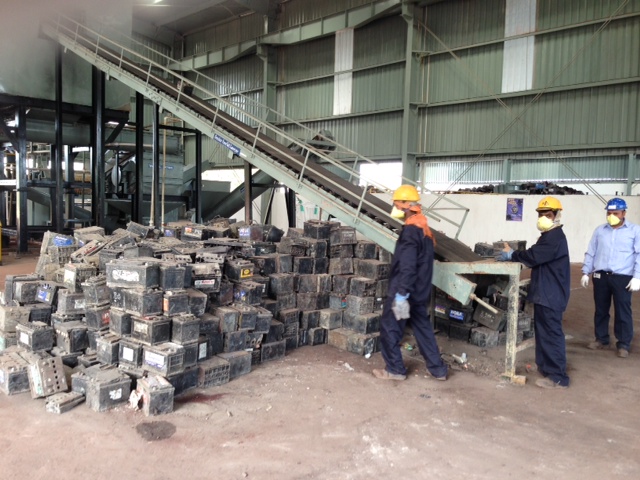
Automotive, inverter, UPS and industrial lead-acid batteries.
Material breakdown
Common Types We May Encounter.
This guide explains the major sub-types within batteries. Exact acceptance and handling depend on the condition, composition, quantity and site requirements of the actual material.
Battery packs from electronics, tools, mobility devices and energy-storage systems.
NiMH and NiCd batteries from tools, equipment and older electronics.
Common disposable household batteries and small consumer cells.
Battery modules and cabinets used in offices, data centers and industrial power backup.
Large lithium battery modules from electric mobility applications; these require specialized assessment.
Where it comes from
Where This Scrap Comes From.
Common Sources
- Homes, Shops And Everyday Clear-Outs
- Automotive workshops
- Data centers and UPS rooms
- Industrial facilities
- Retail/service operations
- Electronics and mobility equipment
What Affects Material Value
- Battery chemistry
- Weight and configuration
- Condition and damage
- Completeness of modules
- Packaging and collection requirements
- Ability to segregate by chemistry
How we approach it
From Identification To Recycling Route.
A clear workflow helps reduce mixing, unnecessary handling and contamination while keeping large-volume movement organized.
Identify chemistry and condition before moving the batteries.
Separate damaged or suspect batteries from intact batteries.
Prevent terminals from short-circuiting during storage and transport.
Use appropriate containers and handling methods for the battery type.
Route batteries only through suitable recycling/recovery channels.
BEFORE COLLECTION
Prepare The Material Safely.
- Never puncture, crush, burn or open battery cells.
- Isolate damaged, swollen, leaking or hot batteries and tell us before collection.
- Keep different battery chemistries separated where practical and protect exposed terminals.
Have Batteries To Clear?
Share the material type, approximate quantity, condition and site access details so the requirement can be assessed properly.