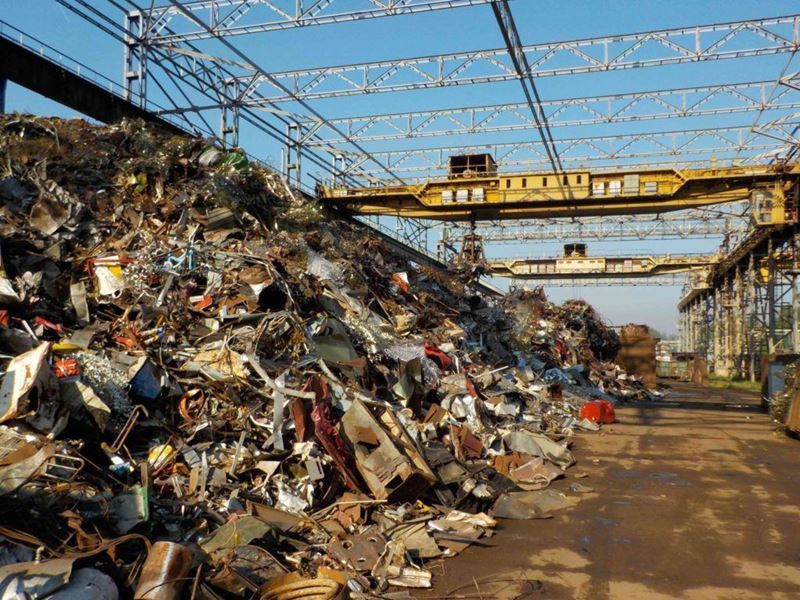
Presses, lathes, mills, molding equipment, process machines and line equipment.
Material breakdown
Common Types We May Encounter.
This guide explains the major sub-types within machinery & plant. Exact acceptance and handling depend on the condition, composition, quantity and site requirements of the actual material.
Electric Motors, alternators, generators and drive systems containing copper, steel and other metals.
Gear reducers, shafts, couplings and mechanical drive assemblies.
Metal tanks, hoppers, silos and process vessels after appropriate decommissioning and cleaning.
Industrial pumps, compressors and associated metal equipment.
Frames, platforms, conveyors, guards, racks and fabricated support structures.
Where it comes from
Where This Scrap Comes From.
Common Sources
- Homes, Shops And Everyday Clear-Outs
- Factories and manufacturing plants
- Warehouses and logistics facilities
- Food/process industries
- Engineering facilities
- Plant upgrades and decommissioning projects
What Affects Material Value
- Total metal composition
- Equipment weight
- Reusable component potential
- Copper/motor content
- Dismantling complexity
- Access, lifting and loading requirements
How we approach it
From Identification To Recycling Route.
A clear workflow helps reduce mixing, unnecessary handling and contamination while keeping large-volume movement organized.
Survey equipment dimensions, weight, access and decommissioning status.
Confirm that electrical, hydraulic, pneumatic and process energy sources are isolated by responsible personnel.
Plan lifting, dismantling and size reduction before moving heavy assemblies.
Segregate motors, stainless, copper-bearing parts and structural steel where practical.
Load and route recovered materials according to their material stream.
BEFORE COLLECTION
Prepare The Material Safely.
- Equipment should be de-energized and made safe before scrap handling begins.
- Drain oils, fuels and process chemicals through appropriate site procedures.
- Identify tanks, pressure systems or equipment with unknown contents before collection.
Have Machinery & Plant To Clear?
Share the material type, approximate quantity, condition and site access details so the requirement can be assessed properly.