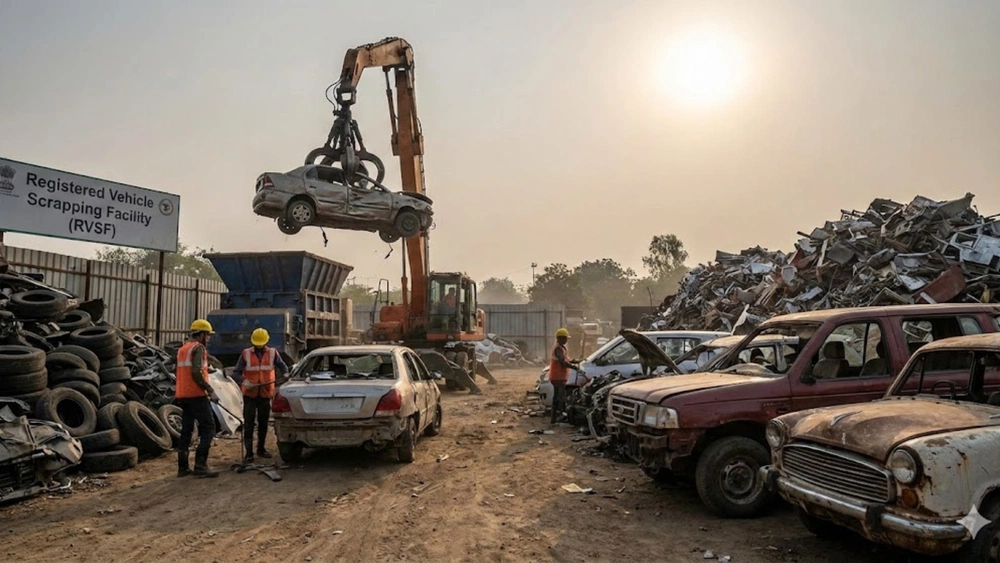
Cars and utility vehicles at end of life or beyond economical repair.
Material breakdown
Common Types We May Encounter.
This guide explains the major sub-types within vehicles & fleet. Exact acceptance and handling depend on the condition, composition, quantity and site requirements of the actual material.
Vans, trucks and fleet vehicles.
Motorcycles, scooters and other powered two-wheelers.
Frames, body shells, panels and stripped vehicle structures.
Powertrain components containing ferrous and non-ferrous metals.
Wheels, radiators, wiring, starters, alternators and other recoverable assemblies.
Where it comes from
Where This Scrap Comes From.
Common Sources
- Homes, Shops And Everyday Clear-Outs
- Fleet operators
- Workshops and service centers
- Logistics companies
- Industrial sites
- Vehicle dismantling and replacement programs
What Affects Material Value
- Vehicle completeness
- Ferrous/non-ferrous content
- Reusable parts
- Battery and catalytic components
- Condition and accessibility
- Required de-pollution/dismantling work
How we approach it
From Identification To Recycling Route.
A clear workflow helps reduce mixing, unnecessary handling and contamination while keeping large-volume movement organized.
Verify vehicle condition and pickup requirements.
Ensure fluids, fuel systems and batteries are handled through proper de-pollution procedures.
Separate reusable or higher-value components where appropriate.
Recover ferrous, aluminium, copper-bearing and electronic fractions.
Process the remaining body/chassis through suitable metal recycling channels.
BEFORE COLLECTION
Prepare The Material Safely.
- Do not deliver vehicles with leaking fuel or uncontrolled fluids.
- Provide ownership/authorization documentation where required by the applicable process.
- Tell us about EV or hybrid vehicles because high-voltage batteries require specialized handling.
Have Vehicles & Fleet To Clear?
Share the material type, approximate quantity, condition and site access details so the requirement can be assessed properly.